Vehicle Maintenance is one of the two BASICs you can most directly control — and one of the most common reasons trucks get pulled out of service at the roadside. A real preventive maintenance (PM) program does double duty: it keeps your equipment safe and your CSA scores low, and it’s exactly what an auditor wants to see. Here’s how to build one that holds up under 49 CFR Part 396.
What the regulation actually requires
Part 396 requires every motor carrier to systematically inspect, repair, and maintain all vehicles under its control. The pillars:
- 396.3 — Systematic maintenance & records. Keep records identifying the vehicle, maintenance schedule, and a history of inspections, repairs, and maintenance.
- 396.11 — Driver Vehicle Inspection Reports (DVIRs). Drivers report defects that affect safe operation.
- 396.13 — Driver inspection. Drivers must be satisfied the vehicle is in safe condition before driving.
- 396.17 — Periodic (annual) inspection. Every CMV must pass a periodic inspection at least once every 12 months.
- 396.19 — Inspector qualifications. Annual inspections must be performed by qualified inspectors.
Key takeaway: “Systematic” is the operative word. Auditors don’t just want repair receipts — they want to see a schedule and a record per unit proving maintenance happens by plan, not by breakdown.
Recordkeeping retention
| Record | Retention |
|---|---|
| Maintenance & repair history (396.3) | 1 year while in service + 6 months after the vehicle leaves your control |
| Annual/periodic inspection (396.17) | 14 months from the inspection date |
| DVIRs (396.11) | 3 months |
Building your PM schedule
Most fleets run tiered PM services on mileage or time intervals — commonly labeled A/B/C/D:
- PM-A (frequent): lubrication, fluid levels, lights, tires, brakes check, visual safety items.
- PM-B: PM-A plus filters, more detailed brake and suspension checks.
- PM-C / PM-D: deeper driveline, brake, and component service on longer intervals.
Set intervals per the manufacturer’s recommendations and your duty cycle, then track them per unit so nothing slips. A unit that’s overdue for PM is a roadside violation waiting to happen.
The DVIR workflow that keeps you clean
- Driver inspects the vehicle (pre-trip and post-trip).
- Defects get reported on a DVIR when they affect safe operation.
- The carrier repairs the reported defect (or certifies repair isn’t needed).
- Certification & retention — the repair is certified and the DVIR retained for 3 months.
A working DVIR loop is one of the clearest signals to an auditor that your maintenance program is real and functioning.
The defects behind the most out-of-service orders
Year after year, the same systems dominate roadside out-of-service violations:
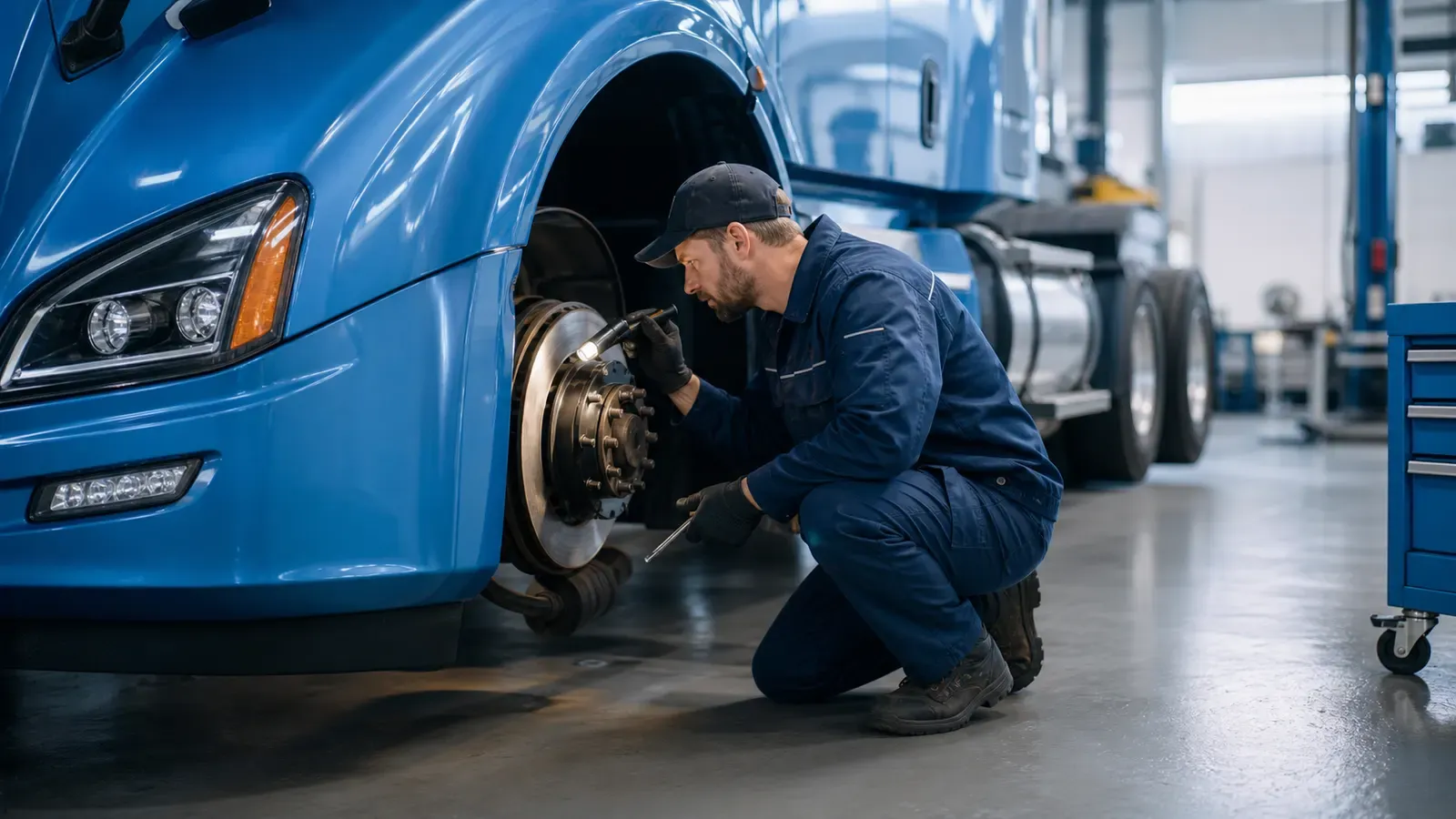
- Brakes — out-of-adjustment and defective components.
- Tires — tread depth, flats, and damage.
- Lights & reflectors — inoperative lamps.
- Cargo securement — loose or insufficient tie-downs.
- Steering & suspension — worn or damaged components.
Catching these in the yard during PM and pre-trip is far cheaper than catching them at a scale — in fines, downtime, and CSA points.
Your PM program checklist
- A written, systematic PM schedule per unit (mileage/time intervals) ✔
- A maintenance file per vehicle with full history ✔
- A DVIR process drivers actually use, with repair certification ✔
- Annual inspections current for every CMV (by a qualified inspector) ✔
- Retention tracked (1yr+6mo, 14 months, 3 months) ✔
- Tires, brakes, and lights checked every pre-trip ✔
How Fleetive helps
Fleetive keeps a maintenance record per unit, schedules preventive service, lets you attach repair invoices and inspection records right to the truck, and flags annual inspections before they come due — so your PM program is documented, current, and ready to show. Everything rolls up into a per-unit compliance view and stays in audit-ready folders.
Keep every truck road-legal without the spreadsheet. Start a free trial or get going with the Quick Start Guide.
Note: This article is for general informational purposes and reflects regulations as of its publish date. It is not legal advice. Always confirm current requirements with the FMCSA and the eCFR, or your compliance counsel.
We help carriers turn DOT compliance from a scramble into a system. See how Fleetive works →